Pet Restorations
Damaged or fractured teeth can cause significant discomfort and may lead to infection or further dental problems if left untreated. Calgary Veterinary Dentistry & Oral Surgery provides pet restorations in Calgary, AB to repair damaged teeth, restore function, and preserve healthy teeth whenever possible.
Specialized Pet Restorations
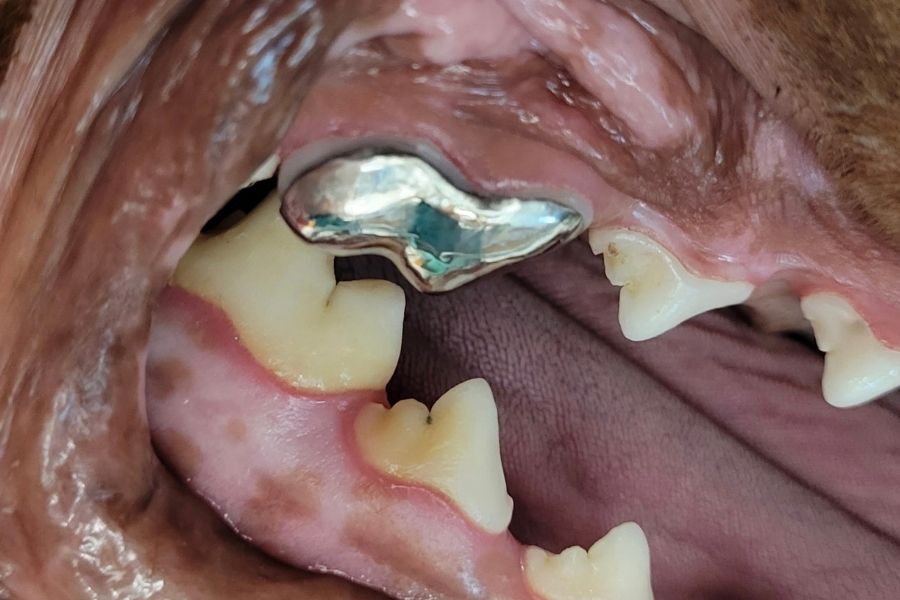
Modern veterinary dentistry uses durable, tooth-colored restorative materials, including composite resins and glass ionomers, instead of traditional amalgam fillings. In certain cases, particularly for working dogs or dogs with aggressive chewing habits, a custom full-metal crown may be recommended to provide additional strength and protection.
Types of Pet Tooth Restorations
The appropriate restoration depends on the type and extent of tooth damage. Treatment options may include:
Vital pulp therapy
When a fracture exposes the pulp, which contains the tooth’s nerve and blood supply, vital pulp therapy may be an option if treatment is provided within approximately 1–2 days. A medicated dressing is placed over the exposed pulp before the tooth is sealed, helping preserve its vitality and function.
Root canal therapy
More extensive tooth injuries may require root canal treatment to address disease or damage affecting the pulp while preserving the tooth. Learn more about Root Canal & Endodontic Treatment.
Full-metal crowns
A custom crown may be recommended when a tooth requires additional structural protection, including certain working dogs or dogs that frequently engage in aggressive chewing.
Preventing Tooth Damage in Pets
- Avoid hard chew items such as bones, antlers, rocks, and hard nylon toys.
- Provide safe, veterinarian-approved chew toys.
- Schedule regular veterinary dental examinations.
- Brush your pet’s teeth regularly and maintain good oral hygiene.
- Seek veterinary care promptly if you notice a broken tooth, facial swelling, reluctance to eat, or signs of oral pain.
Our Approach to Pet Tooth Restoration
The goal of Pet Restorations in Calgary, AB, is to preserve healthy teeth whenever possible, relieve pain, restore normal chewing function, and help prevent future complications. Dental imaging, including dental radiographs or cone beam CT (CBCT), is recommended before certain restorative procedures to evaluate the health of the tooth below the visible surface.
Early diagnosis and treatment can improve the chance of preserving an injured tooth. However, not every damaged tooth can or should be restored. Dr. Campbell will evaluate your pet’s individual dental condition and recommend the treatment option best suited to their needs.
Contact Calgary Veterinary Dentistry & Oral Surgery
If your pet has a fractured, damaged, or painful tooth, contact Calgary Veterinary Dentistry & Oral Surgery to discuss Pet Restorations in Calgary, AB. Our team can evaluate your pet’s tooth and explain the available treatment options.